
CHCCCS017 Provide loss and grief support
Course Overview
A rich program on navigating the wilderness of sorrow, loss and grief, the many faces of grief, the numerous ways we grieve throughout the world including rituals that honour the dead and what has been lost. Working with befriending grief and complex grief with expressive arts, mindfulness practices and more. Understanding how to be a Grief walker providing support and skills to help to meet the tasks in grieving.
Supporting the Grief walkers to navigate their own grief, through self care rituals, supervision, and continuous improvement.
A program to support Counsellors in navigating the wild landscape of loss and grief with its many faces, emotions, the impact it has on the brain and the body, families and community
.
Topics include:
1. The Wilderness of Grief
2. The Faces of Grief
3. Walking with the Grieving
4. Caring of the Grief Walkers
5. The River of Grief
and much more!
Webinar Recording
This will be added to the MeWe you have been allocated or added here.
Where to Start
Grab a journal as this is as much a journey into your own experience of grief as it is a course on supporting others experiencing grief.
Recommended reading prior to the course are: Frances Weller’s ‘The Wild Edge of Sorrow’ and Mary-Frances O’Connor’s ‘The Grieving Brain’.
To think about your own journey with grief and begin to reflect and journal on how was your journey, your relationship with grief and how it changed you.
Recommended Reading (*Highly recommended)
Cacciatore, Joanne (2017) ‘Bearing the Unbearable: Love, Loss, and the Heartbreaking Path of Grief‘, Wisdom Publications
* O’Connor, Mary-Frances (2023), ‘The Grieving Brain: The Surprising Science of How We Learn from Love and Loss’ HarperOne
* O’Connor, Mary-Frances (2025) ‘The Grieving Body: How the Stress of Loss Can Be an Opportunity for Healing’ HarperOne
* Weller, Frances (2015) ‘The Wild Edge of Sorrow: Rituals of Renewal and the Sacred Work of Grief’, North Atlantic Press
* Weller, Frances (2026) ‘Entering the Healing Ground: The Wild Edge of Sorrow Workbook – Reflections, rituals, and meditations for grief and renewal’, North Atlantic Press
Reflective Practise
Throughout this module it is asked of you that you contemplate your grief journey, journal your experiences, developing self compassion for difficult journeys. What rituals helped, or do you need to develop now that you know more about grief? Add your insights into your journal with actions that you would like to take, add a poem, an art piece that you have created or that has inspired you.
Peer Group Case Supervision
Ensuring you have continued support as a counsellor out in the community. Every month we meet as counsellors, graduates and those who want to learn more and go over case studies that we have. This is a very valuable process as ensuring you have support and guidance is part of best practise and essential for professional development hours.
JOIN US. To book go to: https://awakening.com.au/course/case-study-supervision-groups/
Staff

Brenda Sutherland
Brenda Sutherland
B.Soc Sc (Psych) TAE, IICT, AHHCA
Brenda founded The Awakening Group P/L in 1993. Her clear vision was to empower each individual to live their true potential. Since then The Awakening Group has grown from counselling, to counsellor training to offer online webinars and programs for organizations and businesses bringing teams together, effectively communicating to deliver results across the board.
Brenda B.Soc.Sc.(Psych) is a Holistic Counsellor, Trainer and Consultant with her practice grounded in over 30 years experience. She is the founder and Director of The Awakening Group accredited training programs and workshops conducted throughout Australia.
Over the past 20 years Brenda has taught at universities, lectured at conferences, appeared on TV and radio, written for magazines and conducted seminars throughout Australia and NZ. She has facilitated many workshops for private, corporate and governmental organizations on personal growth and professional development.
Brenda is a dynamic counsellor and educator who employs her intuition and professional knowledge to gently guide every individual in living their truth.
Throughout her career Brenda has combined her personal commitment to her own self growth and extensive, yet unique, professional training including Psychology, EMDR: Eye Movement Desensitization Reprogramming, Art Therapy, Tantra, Eco-psychology, Soul Centred therapy, Kinesiology, Family & Organizational Constellation with world renowned facilitators (Dr Gunthard Weber, Dr Albrecht Mahr, Dr Guni Baxa, Dr Ursula Franke, Jakob Schneider, Dr Jane Peterson, Ed Lynch, Stephan Hausner etc). Further Brenda has trained with Bessel van de Kolk (one of the worlds leading trauma experts), as well as Pat Odgen; body centred psychotherapy. She has also trained in The Work of Byron Katie and is a Effectiveness (Communication) Training instructor.
Brenda combines the latest neuroscience, attachment styles, arousal regulation, memory reconstruction techniques to return clients to a peaceful sense of self .
Furthermore Brenda is a PACT Level 1 Couples counsellor having trained with Dr Stan Tatkin, the Founder of the Psychobiological Approach for Couple Therapy.
You have the power within to transform and live your hearts desire. Brenda creates an opportunity to take you and your experience in relationships, life, sexuality, career and love a step further in authenticity to be the person you dreamed yourself to be. Discover and live new possibilities within yourself, relationships, career, sexually, health, with money and life.
Individual sessions, couple counselling and workshops are available (also via Zoom online) to support you in moving into the freedom of being. Issues of anxiety, fear, stress, anger, grief, sexuality, illness, relationships and much more are addressed with each session personally tailored to transform issues standing in the way of being the more of you.
Here’s what one client said:
“Thank you for today. I feel Amazing!!!”
Brenda has written for:
 She has been quoted in:
 and appeared on Channel 9’s Alternatives pilot program facilitating “Unmasking The Wild Woman” with guest Catriona Rowntree (Getaway presenter)
[ecs-list-events cat="brenda" limit="8"]
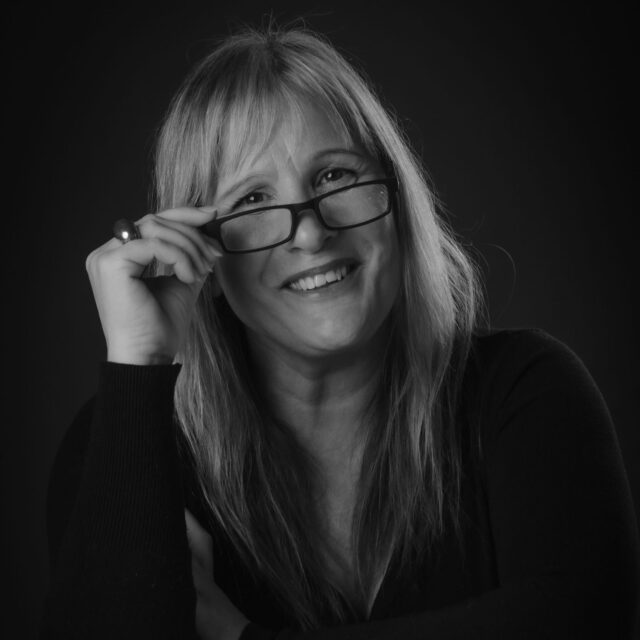
Brenda Sutherland
Brenda Sutherland
B.Soc Sc (Psych) TAE, IICT, AHHCABrenda founded The Awakening Group P/L in 1993. Her clear vision was to empower each individual to live their true potential. Since then The Awakening Group has grown from counselling, to counsellor training to offer online webinars and programs for organizations and businesses bringing teams together, effectively communicating to deliver results across the board.
Brenda B.Soc.Sc.(Psych) is a Holistic Counsellor, Trainer and Consultant with her practice grounded in over 30 years experience. She is the founder and Director of The Awakening Group accredited training programs and workshops conducted throughout Australia. Over the past 20 years Brenda has taught at universities, lectured at conferences, appeared on TV and radio, written for magazines and conducted seminars throughout Australia and NZ. She has facilitated many workshops for private, corporate and governmental organizations on personal growth and professional development.Brenda is a dynamic counsellor and educator who employs her intuition and professional knowledge to gently guide every individual in living their truth.Throughout her career Brenda has combined her personal commitment to her own self growth and extensive, yet unique, professional training including Psychology, EMDR: Eye Movement Desensitization Reprogramming, Art Therapy, Tantra, Eco-psychology, Soul Centred therapy, Kinesiology, Family & Organizational Constellation with world renowned facilitators (Dr Gunthard Weber, Dr Albrecht Mahr, Dr Guni Baxa, Dr Ursula Franke, Jakob Schneider, Dr Jane Peterson, Ed Lynch, Stephan Hausner etc). Further Brenda has trained with Bessel van de Kolk (one of the worlds leading trauma experts), as well as Pat Odgen; body centred psychotherapy. She has also trained in The Work of Byron Katie and is a Effectiveness (Communication) Training instructor. Brenda combines the latest neuroscience, attachment styles, arousal regulation, memory reconstruction techniques to return clients to a peaceful sense of self . Furthermore Brenda is a PACT Level 1 Couples counsellor having trained with Dr Stan Tatkin, the Founder of the Psychobiological Approach for Couple Therapy. You have the power within to transform and live your hearts desire. Brenda creates an opportunity to take you and your experience in relationships, life, sexuality, career and love a step further in authenticity to be the person you dreamed yourself to be. Discover and live new possibilities within yourself, relationships, career, sexually, health, with money and life. Individual sessions, couple counselling and workshops are available (also via Zoom online) to support you in moving into the freedom of being. Issues of anxiety, fear, stress, anger, grief, sexuality, illness, relationships and much more are addressed with each session personally tailored to transform issues standing in the way of being the more of you. Here’s what one client said:
“Thank you for today. I feel Amazing!!!” Brenda has written for:
[ecs-list-events cat="brenda" limit="8"]


_______________________________________________________________________________________________
Navigating the Classroom
Scroll further down and you will see the lessons under each module. Click on the first lesson and go through the lesson, answer the quiz questions at the bottom of the lesson by clicking on ‘Take Quiz’. Then submit the quiz, the majority of the lessons are automatically marked.
Each module has a Reflection and Case Study lesson which reflects on the module and then asks more comprehensive questions.
Work your way through the online classroom in the order that it is designed.
Remember to add your Evaluation at the end to complete the course. Thank you for your feedback in advance.
_______________________________________________________________________________________________
The Awakening Group acknowledges the Aboriginal and Torres Strait Islander peoples as Australia’s First People and Traditional Custodians. We pay respect to Elders past, present, and future and are committed to making a positive contribution to the wellbeing of Aboriginal and Torres Strait Islander students.
The Awakening Group believes our world is a colourful one. We value diversity and are committed to providing a safe, culturally appropriate and inclusive service for all people, regardless of their ethnicity, faith, ability, sexuality, socio-economic status or gender identity.
_______________________________________________________________________________________________
Glossary
Activelistening
Concentrated listening and non-verbal encouragement indicating an understanding of what is being said.
Adrenalin
A natural hormone released in response to physical or emotional stress.
Assistivetechnology
Technology that enables a person to maintain or improve their capability of performing a task.
Bereavement
The experience of losing someone close and the period of adjustment after their death.
Burnout
A state of emotional, physical and mental exhaustion caused by excessive and prolonged stress.
Compassion burnout
Physical and emotional exhaustion that can lead to indifference and withdrawal.
Complexgriefreaction
Persistent grief leading to abnormal behaviours and thoughts.
Confidentiality
The principle of keeping personal information private, unless the person consents to sharing the information with other parties.
Continuous improvement
An iterative process that involves an ongoing cycle of identification, planning, implementation and review.
Counselling
To give or offer advice to a person.
Cultural
The shared characteristics of a group of people influenced by race, religion, economic status, family life, health, educational or governmental system of their members.
Cultural competence
Having awareness, respect and understanding of the cultural diversity around you.
Culturallyand linguisticallydiverse (CALD)
The preferred term for describing different ethnic communities.
Debriefing
Asking a series of questions in a structured way immediately following an exercise or event that looks to review or evaluate the actions taken.
Disenfranchised
Having no power to make people listen to your opinion or situation.
Duty of care
A moral or legal obligation to ensure the safety and wellbeing of other persons.
Duty of disclosure
The obligation to pass on information required to keep a person safe, even when they request confidentiality.
Emotional intelligence
The ability to understand and manage your own emotions and those of people around you.
Empathy
The ability to understand, share and identify the feelings of others.
Employeeassistanceprogram(EAP)
A work-based intervention program designed to enhance worker wellbeing.
Ethnic
Racial, national, tribal, religious, linguistic, or cultural origin or background.
Grief
Intense sorrow in response to loss, especially caused by someone’s death.
Hazard
A source or a situation with the potential for causing harm, damaging humans, property and/or the environment.
Loss
The fact or process of losing something or someone.
Non-verbalcommunication
The transfer of information or messages through the use of body language and signals.
Peer support
People sharing knowledge, experience, feelings and practical help to support each other.
Privacy
A fundamental human right designed to protect people from intrusion and to selectively express themselves.
Psychological shock
Experiencing a physical reaction in response to a traumatic event.
Reaction
Feelings or responses to a situation or event.
Reflectivecycle
A process that gives structure to learning from experiences by examining experiencesandyourreactionstothem,anddetermininghowyoucoulddo better in the future.
Respect
The politeness and admiration towards someone or something.
Scope of practice
Procedures, actions and processes that a healthcare practitioner is permitted to undertake in keeping with the terms of their professional license.
Self-carestrategies
Positive ways to cope with and reduce the effects of stress.
Self-harm
Causing deliberate harm to a person’s own self, with or without the intention to end their life.
Self-reflection
The ability to observe and evaluate one’s own thoughts, emotions and behaviours.
Social
The bonds a person forms with others such as family, friends and members of their community.
Spiritual
An inner sense of something greater than oneself, which may be met through faith or religion.
Suicidal ideation
Having thoughts of suicide.
Supervision
Senior staff overseeing and taking responsibility for the work of less experienced or qualified workers to ensure that they work safely and within the requirements of their job roles.
Telehealth
A consultation with a healthcare provider by telephone or video call.
Terminalillness
A disease or condition for which there is no cure that will eventually lead to death.
Trauma
The response to a distressing event or experience that can affect a person’s ability to cope and function.
Traumatic
Psychologically or emotionally stressful in a way that can lead to emotional problems.
Verbalcommunication
Speaking words to share information with others.
Vicarious
Experienced through watching or listening to the activities of other people.
_______________________________________________________________________________________________
The Awakening Group acknowledges the Aboriginal and Torres Strait Islander peoples as Australia’s First People and Traditional Custodians. We pay respect to Elders past, present, and future and are committed to making a positive contribution to the wellbeing of Aboriginal and Torres Strait Islander students.
The Awakening Group believes our world is a colourful one. We value diversity and are committed to providing a safe, culturally appropriate and inclusive service for all people, regardless of their ethnicity, faith, ability, sexuality, socio-economic status or gender identity.
____________________________________________________________________________________________
Copyrighted ~ The Awakening Group and Aspire Learning